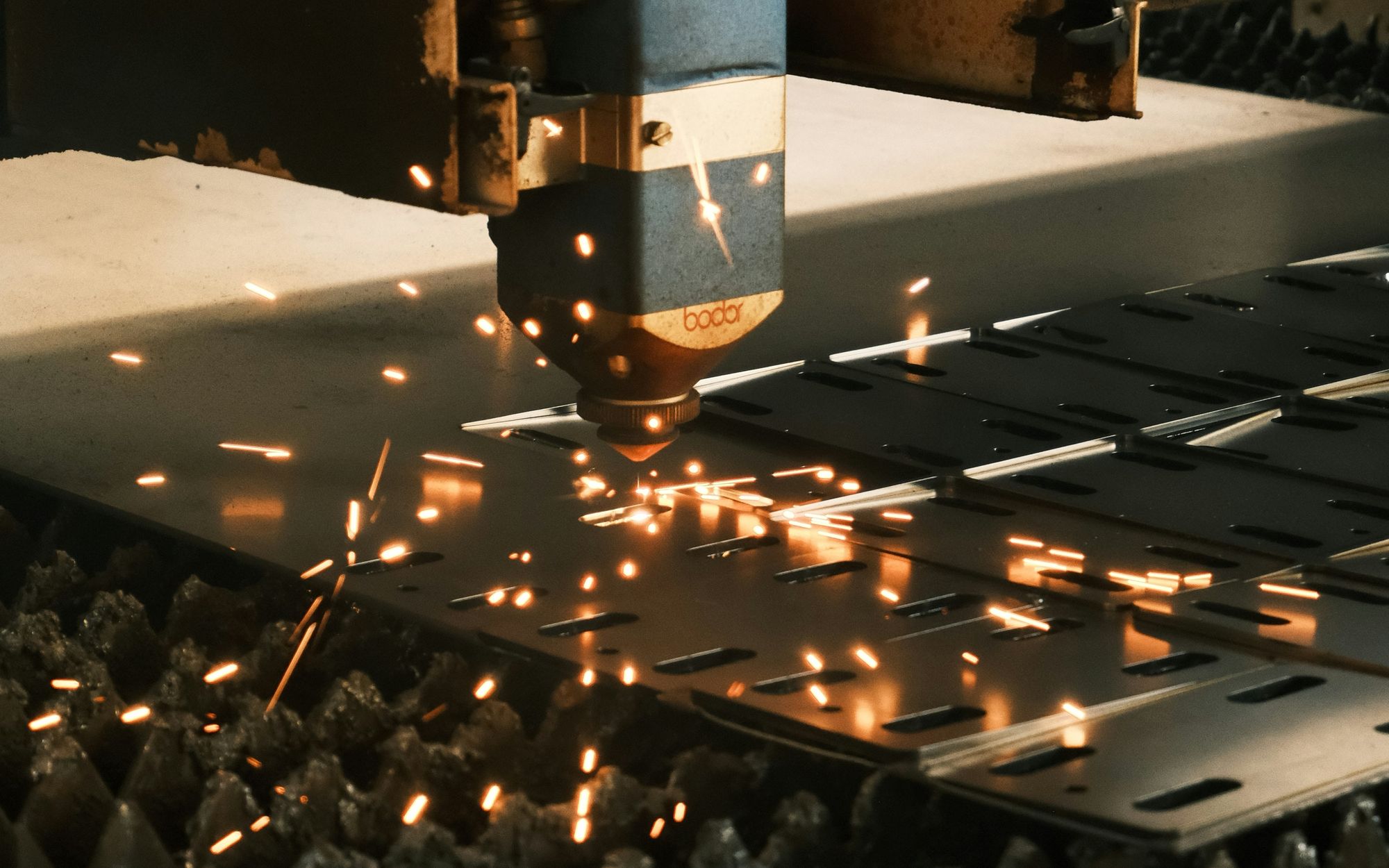
Laser machines have become one of the most flexible tools in modern manufacturing. They cut sheet and tube, join precision components, clean metal surfaces, remove coatings, and prepare parts for welding or inspection. The right machine depends on material, geometry, quality requirements, production volume, and operating environment.
1. Start With Your Part, Not the Machine
Before comparing power ratings or prices, define the job the machine must do. A clear requirement sheet gives the supplier enough information to select a process and propose a realistic configuration.
| Information to define | Why it matters |
|---|---|
| Material | Steel, stainless steel, aluminum, copper, brass, coated parts, and nonmetals require different laser types. |
| Thickness range | Determines laser power, optics, assist gas, and cutting or welding speed. |
| Part size | Affects table size, travel range, chuck configuration, or robot reach. |
| Tolerance | Determines machine rigidity, motion accuracy, and calibration requirements. |
| Quality | Defines acceptance criteria for burr, dross, porosity, spatter, and deformation. |
| Volume | Determines cycle time, automation, loading method, and cooling requirements. |
| Operator skill | Affects control-system usability, process library, and training needs. |
| Utilities | Confirms power supply, compressed air, nitrogen, oxygen, and exhaust compatibility. |
The most useful next step is to send drawings and material samples. A showroom demonstration is not enough. Your own parts are the real test.
2. Laser Cutting: Precision, Flexibility, and Fast Changeovers
Laser cutting is ideal for fast production from sheet metal, plate, tube, and structural profiles. It offers complex geometry without custom tooling, low distortion compared with flame or plasma cutting, narrow kerf, clean edges, and efficient small-batch or mixed-part production. Common uses include enclosures, brackets, frames, agricultural parts, automotive components, signage, kitchen equipment, and structural fabrications.
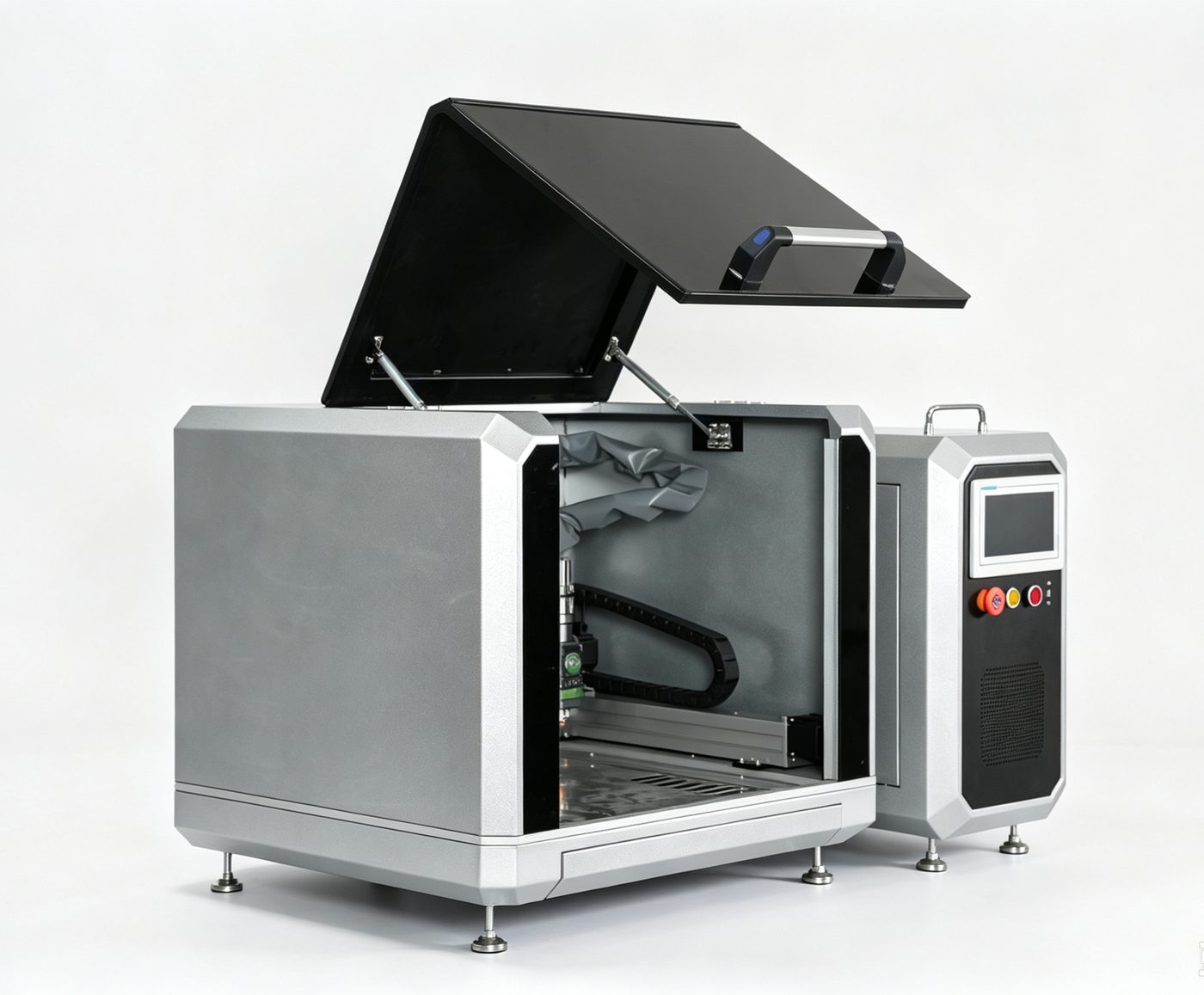
Material and thickness
Ask for a cutting-speed table for the exact materials you process: mild steel, stainless steel, galvanized steel, aluminum, copper or brass, and titanium. Request data at your minimum, common, and maximum thickness. A machine that cuts quickly at 3 mm may not be efficient or stable at 20 mm.
Cut quality
Inspect real samples for edge squareness, surface roughness, bottom dross, hole roundness, taper, heat-affected zone, long-run stability, and piercing time. Ask for measurements, not only photographs.
| Gas | Common use |
|---|---|
| Oxygen | Thick mild steel; promotes combustion but creates an oxide edge. |
| Nitrogen | Stainless steel, aluminum, and clean-edge cutting. |
| Compressed air | Cost-effective for some thin-sheet and noncritical applications. |
Structure, automation, and utilization
Review bed material and stress relief, rails and drives, positioning repeatability, acceleration, cornering, exchange tables, and tube support. For higher output, consider automatic loading and unloading, storage towers, conveyors, sorting, extraction, nozzle changers, automatic focus, and process monitoring. Automation should match a stable process; it does not fix an unstable one.
3. Laser Welding: Low Heat Input and Repeatable Automation
Laser welding suits thin and medium-thickness materials, joints requiring low deformation, battery components, busbars, automotive structures, stainless enclosures, medical and electronic components, sealed assemblies, and high-cycle automated production. It can provide higher speed, a narrower heat-affected zone, and good automation compatibility, but it needs better fit-up, clean material, and disciplined process control.
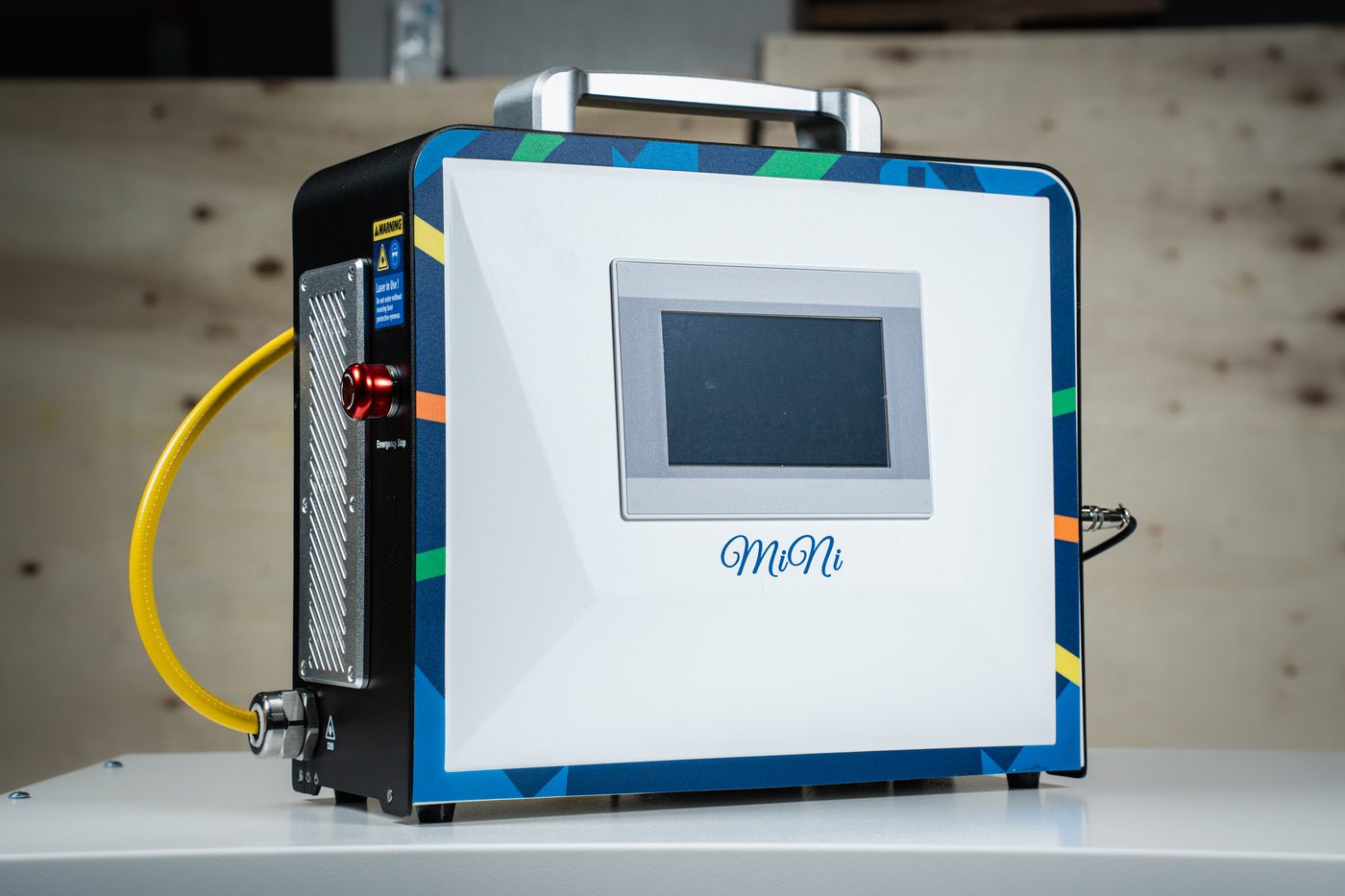
Joint and material combination
Define the actual joint: butt, lap, fillet, edge, seam seal, spot, or scan path. Tell the supplier whether you are welding like materials or dissimilar metals, and whether parts are coated or plated. Copper, aluminum, and some dissimilar combinations need special attention for reflectivity, conductivity, porosity, and crack sensitivity.
Fit-up tolerance
Ask the supplier to test real assemblies, including normal dimensional variation. Review gap tolerance, misalignment tolerance, clamp design, joint access, and fixture repeatability. Outside the process window, porosity, underfill, lack of fusion, and spatter can appear.
| Option | Best for | Considerations |
|---|---|---|
| Handheld | Small batches, repair, large or awkward parts. | Operator skill, safety, joint consistency. |
| Fixed station | Repeated parts. | Fixture design, cycle time, safety enclosure. |
| Robot cell | Complex paths and higher volume. | Programming, clamping, extraction, integration. |
| Galvo scanner | High-speed precision seams. | Beam delivery, path control, thermal management. |
Quality and traceability
Decide whether the weld will be judged by appearance, strength, leak tightness, conductivity, penetration, porosity, spatter, or corrosion resistance. For critical or regulated work, agree destructive and nondestructive tests before production. For production welding, ask whether power, speed, focus, wire feed, gas flow, alarms, and seam-tracking data can be recorded.
4. Laser Cleaning: Surface Preparation Without Chemicals or Abrasives
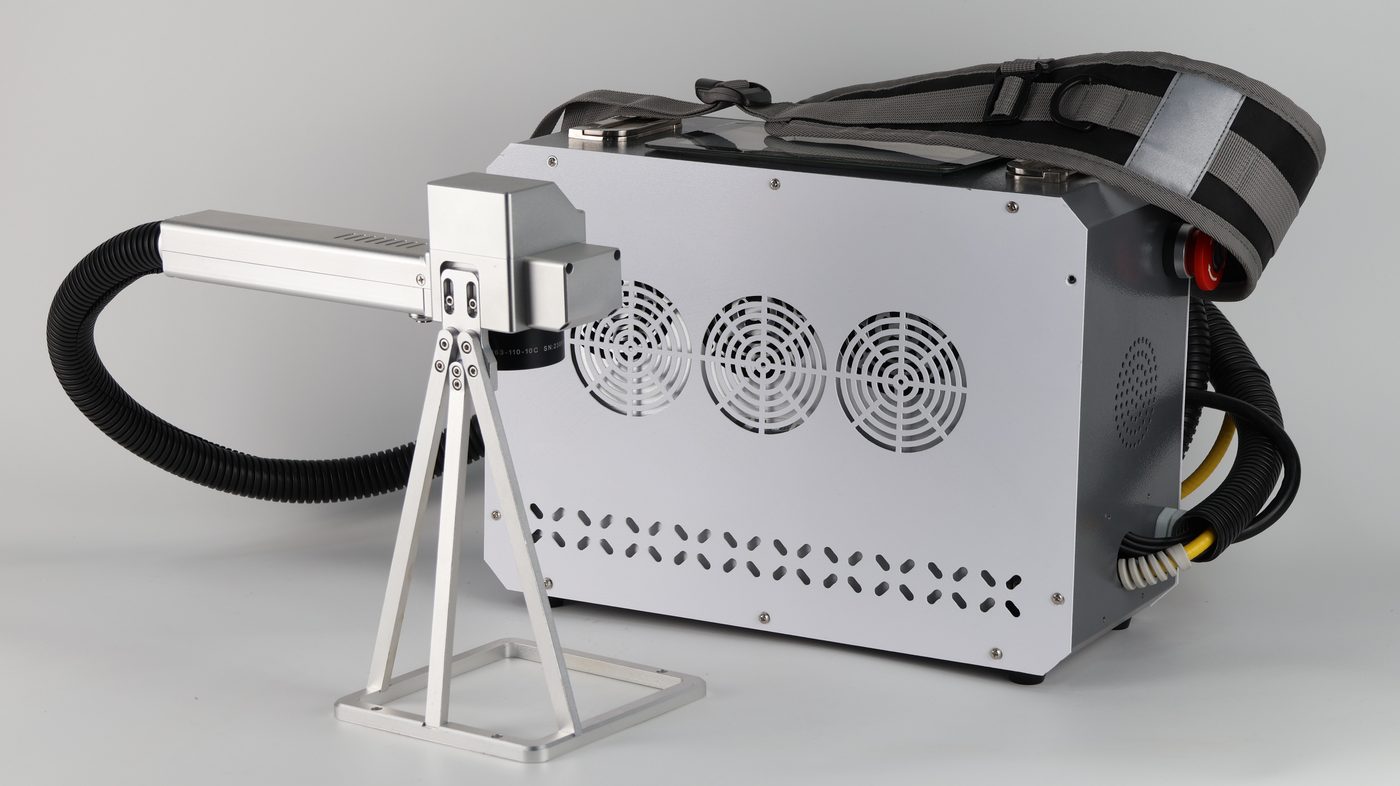
Laser cleaning removes rust, oxide, paint, coatings, oil, weld scale, thermal marks, rubber, and polymer residues. It can also prepare surfaces before welding, bonding, or coating. The process is noncontact, controllable, suitable for selected areas, and often environmentally cleaner than chemical cleaning.
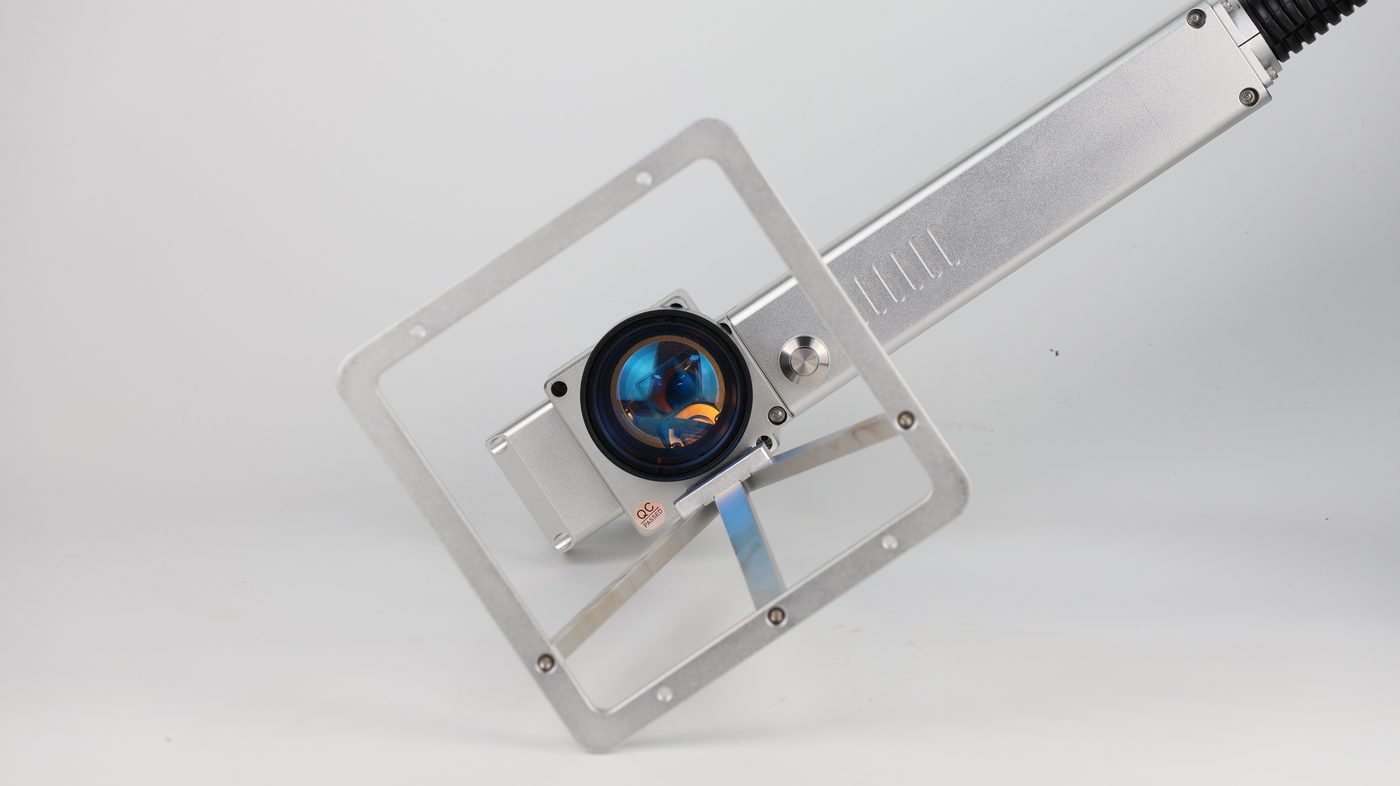
Contaminant and base material
Cleaning depends on the absorption difference between the contaminant and base material. Test the actual rust thickness, paint type and thickness, oil or grease, oxide color, previous treatment, and base-metal sensitivity.
Width, speed, extraction, and safety
Request effective cleaning width, scanning width, speed, passes, pulse energy, frequency range, and scan pattern. Ask for video of your sample, not a generic demonstration. Confirm extraction, filter type, replacement cycle, ventilation, and disposal rules.
Laser cleaning is a high-risk open-beam process if not properly controlled. Review enclosures or barriers, interlocks, wavelength-specific eyewear, warning signs, area control, operator training, and reflection risk. Never treat a high-power cleaning laser as an ordinary power tool.
5. Understand the Core Components
Performance comes from the complete machine, not rated power alone.

Laser source
The source determines beam quality, stability, service life, and maintenance cost. Ask for brand, model, rated power, warranty, and service method.
Optical system
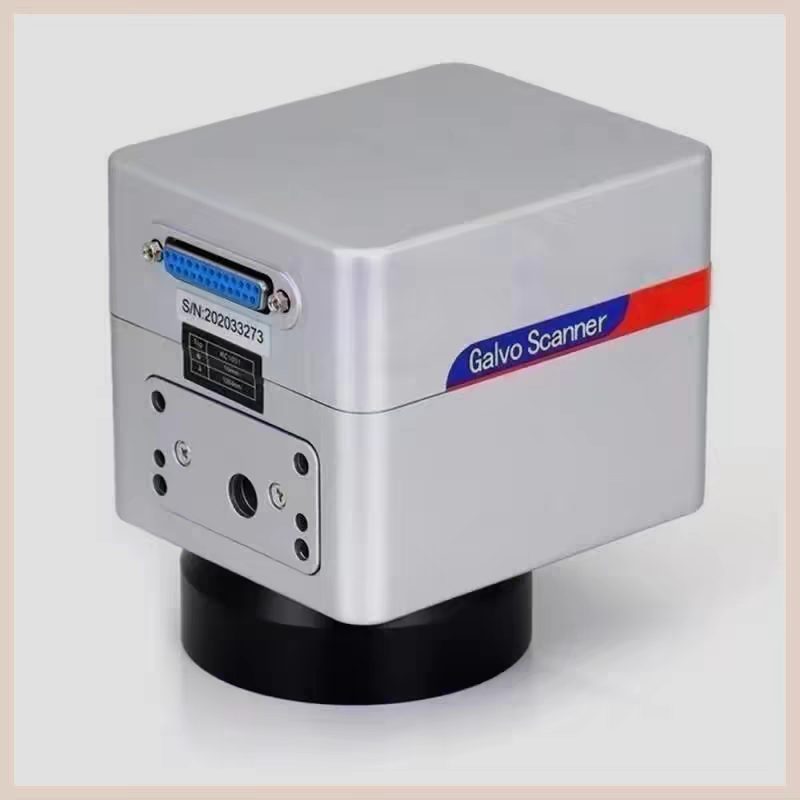
The focusing, welding, or scanning head affects spot size, beam distribution, path control, height control, and protection against spatter.
Motion system
Cutting depends on bed, guides, drives, motors, and calibration. Welding and cleaning depend on robot, gantry, galvanometer, or handheld stability.
Control system
Check language, file compatibility, nesting, process library, alarms, diagnostics, remote support, and ease of parameter adjustment.
Cooling system
Poor cooling shortens component life and reduces stability. Confirm capacity, ambient range, water quality, filters, and maintenance intervals.
Safety package
The complete package includes classification, beam path, enclosure, interlocks, stops, extraction, labels, PPE, and site procedures.
6. Ask for a Sample Test Before You Buy
A professional supplier should test your material and, where possible, your actual parts. The sample should become an acceptance standard, not a sales demo.
- Cutting: minimum, common, and maximum thickness; complex geometry; small holes; long-run stability; measurement report; and parameters.
- Welding: material combination, joint type, normal tolerance, cross-section, strength or leak test if required, and weld photos.
- Cleaning: before-and-after photos, cleaning time per area, passes, effect on base material, and required extraction.
7. Do Not Compare Machines by Purchase Price Alone
Two machines with the same power rating can have very different lifetime costs. Build the operating model before choosing the supplier.
Common consumables include protective lenses, nozzles, ceramic parts, filters, seals, welding wire, shielding gas, chiller consumables, and extraction filters. Ask for a consumables list and replacement intervals before signing the contract.
8. Confirm Service, Training, and Spare Parts
Before buying, confirm who installs the machine, who trains operators, whether training is available in English or your local language, and which spares should stay on site. Ask how long warranty support takes, whether remote diagnosis is available, who provides service, what is excluded, what happens if production stops, and whether the supplier can support future process development.
For production equipment, service response time is often more valuable than a small purchase-price discount.
9. Check Safety and Compliance Early
Laser machines are regulated equipment in many markets. Confirm machinery and electrical safety evidence, laser classification, enclosure and interlock design, emergency stops, fume extraction, warning labels, operator PPE, import requirements, electrical compatibility, and radiation-control requirements where applicable.
If the machine has high-power, pulsed, or special-purpose laser configurations, confirm export-control and import-control requirements before ordering.
10. Common Buying Mistakes
Excessive power
Higher power can raise speed and thickness capacity, but also cost, gas use, maintenance, and safety requirements.
Ignoring tolerance
Laser processes cannot compensate for unstable incoming parts, poor clamping, dirty material, or inconsistent assembly.
Specifications only
Brochures show maximum capability under favorable conditions. Real material, drawings, and production rate provide the answer.
Utility surprises
Gas and electricity can decide profitability. Request consumption under real working conditions.
Missing spares
A waiting machine can erase savings from a lower price. Keep critical lenses, nozzles, filters, seals, and electrical spares.
Safety later
Radiation, fume, reflected beams, and high-power electrical systems require professional control from the layout stage.
11. Recommended Buying Checklist
Before placing an order, define material and thickness range, maximum part size, tolerance, quality standard, daily output, process-time target, gas and electricity supply, sample-test report, major components, software language and file formats, installation requirements, training, spare parts, warranty scope, response time, safety requirements, and acceptance criteria before final payment.
12. Final Advice
The best laser machine is not necessarily the largest, cheapest, or most powerful one. It is the system that reliably produces your parts at the quality, speed, and cost your business requires.
Start with material and drawings. Test on real work. Compare the complete system, not only laser power. Then choose the supplier that can support installation, training, spare parts, process development, and long-term operation.