
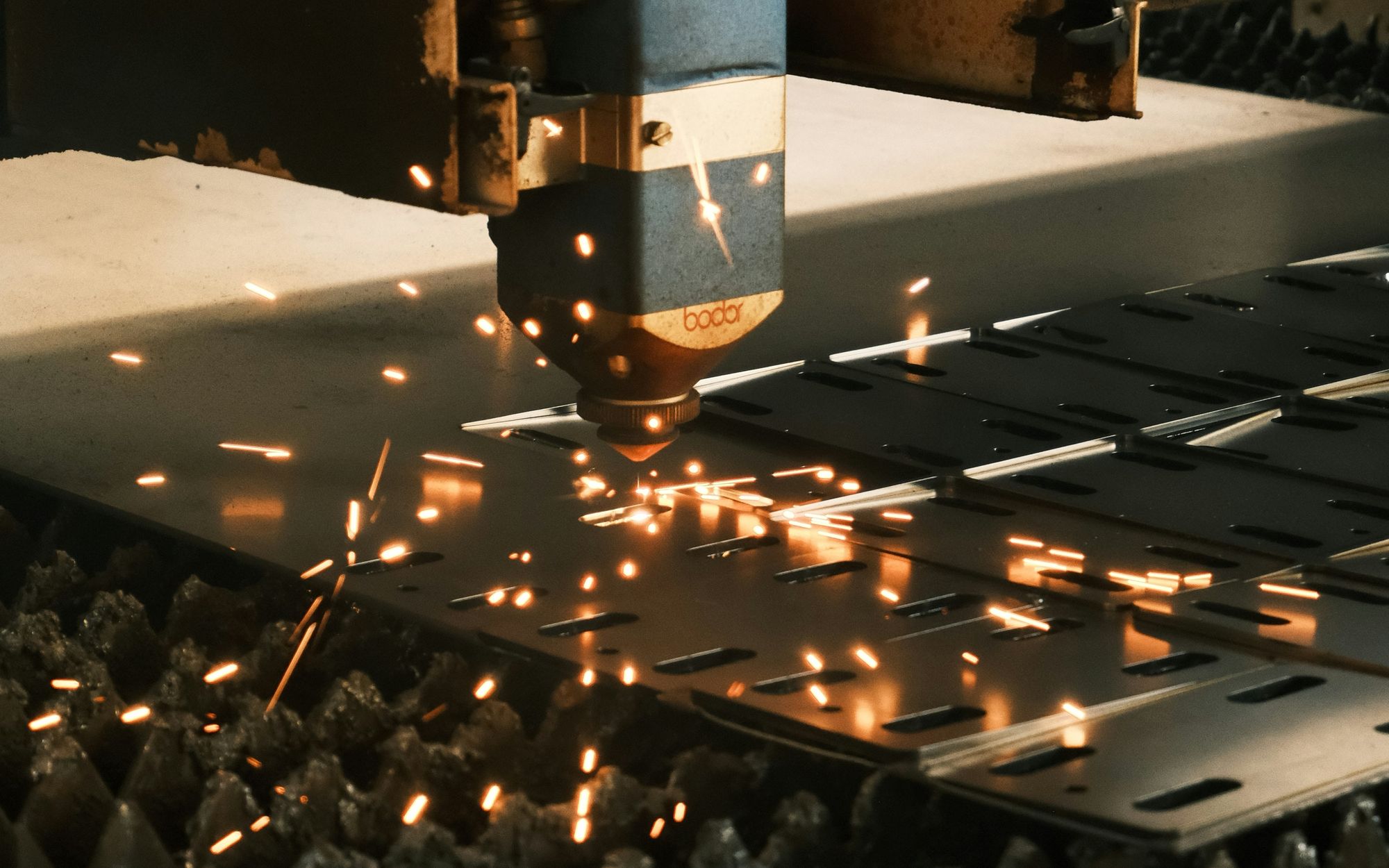
Ten years ago, a factory considering laser processing usually meant one thing: a CO2 cutting machine in a sheet-metal shop. That picture has changed. Fiber sources pushed laser cutting into thinner materials and higher speeds. Handheld laser welding moved from a curiosity to a practical option for fabrication and maintenance work. Pulse laser cleaning found a place where sandblasting and chemical stripping were slow, messy, or tightly regulated. Marking systems became part of traceability programs rather than optional labeling equipment.
For a manufacturer, the interesting question is not whether laser technology is advancing. It already has. The question is which of these changes actually solve a production problem you have, and which ones create new costs without improving throughput, quality, or compliance.
1. The Shift From CO2 to Fiber, in Practical Terms
Fiber laser sources now dominate metal cutting for a straightforward reason: the wavelength is absorbed better by steel, stainless, aluminum, and copper, which means more cutting power from the same electrical input and lower running cost per meter of cut. CO2 lasers still hold ground in non-metal cutting, thick organic materials, and some finishing work where their wavelength produces a cleaner edge. The decision is material-specific, not a simple ranking.
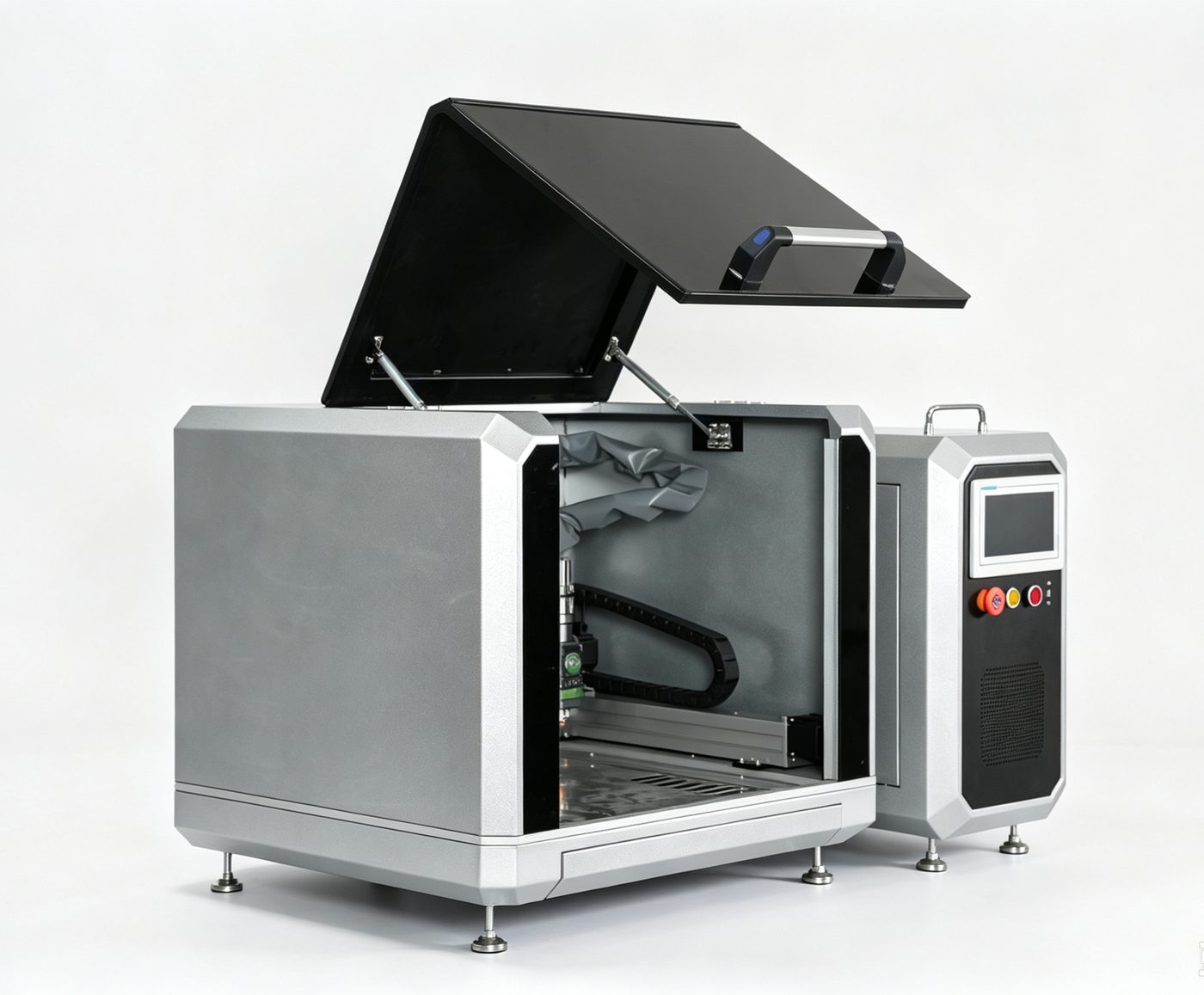
What matters to a buyer is that this shift changed the economics of laser cutting. A fiber cutting machine that would have been out of reach for a small shop in 2010 is now a routine purchase for many fabricators. But the lower barrier to entry also means the competitive advantage is no longer owning a laser cutter. It is using one well: nesting efficiency, assist-gas choice, cutting parameter discipline, and maintenance planning determine whether the machine earns its floor space.
2. Handheld Welding Changed Who Can Use Laser Processing
Platform laser welding has been around for decades in automotive and electronics production. Handheld laser welding machines made the process accessible to job shops, maintenance teams, and fabricators who could not justify a fixture-based cell.
The benefit for suitable joints is real: higher travel speed than TIG, a narrower heat-affected zone, and less heat distortion on thin-gauge stainless and sheet-metal assemblies. The limitation is equally real: laser welding is less forgiving of poor fit-up. If your parts have inconsistent gaps, misalignment, or contaminated edges, the laser will not magically fix that. It will expose it.
The adoption decision should start with a sample test on your parts, your material, your thickness range, and your acceptance standard. A showroom demo on clean coupons tells you very little about how the machine performs on the joints you actually weld.
3. Laser Cleaning Grew Because of Regulation as Much as Technology
Rust removal, coating stripping, and surface preparation have traditionally relied on sandblasting, chemical solvents, or mechanical grinding. Each of those carries costs that are easy to underestimate: containment, disposal, labor hours, dust control, and downtime for cleanup.
Pulse laser cleaning removes rust, oxide, paint, and some coatings by vaporizing the contaminant layer with minimal effect on the base material. For maintenance on installed equipment, mold cleaning, weld preparation, and selective coating removal, it can eliminate a secondary cleanup step. For heavy-scale removal across large surfaces, sandblasting is often still faster and cheaper. The case is application-specific.
4. Marking Is Now a Data Problem, Not Just a Labeling Problem
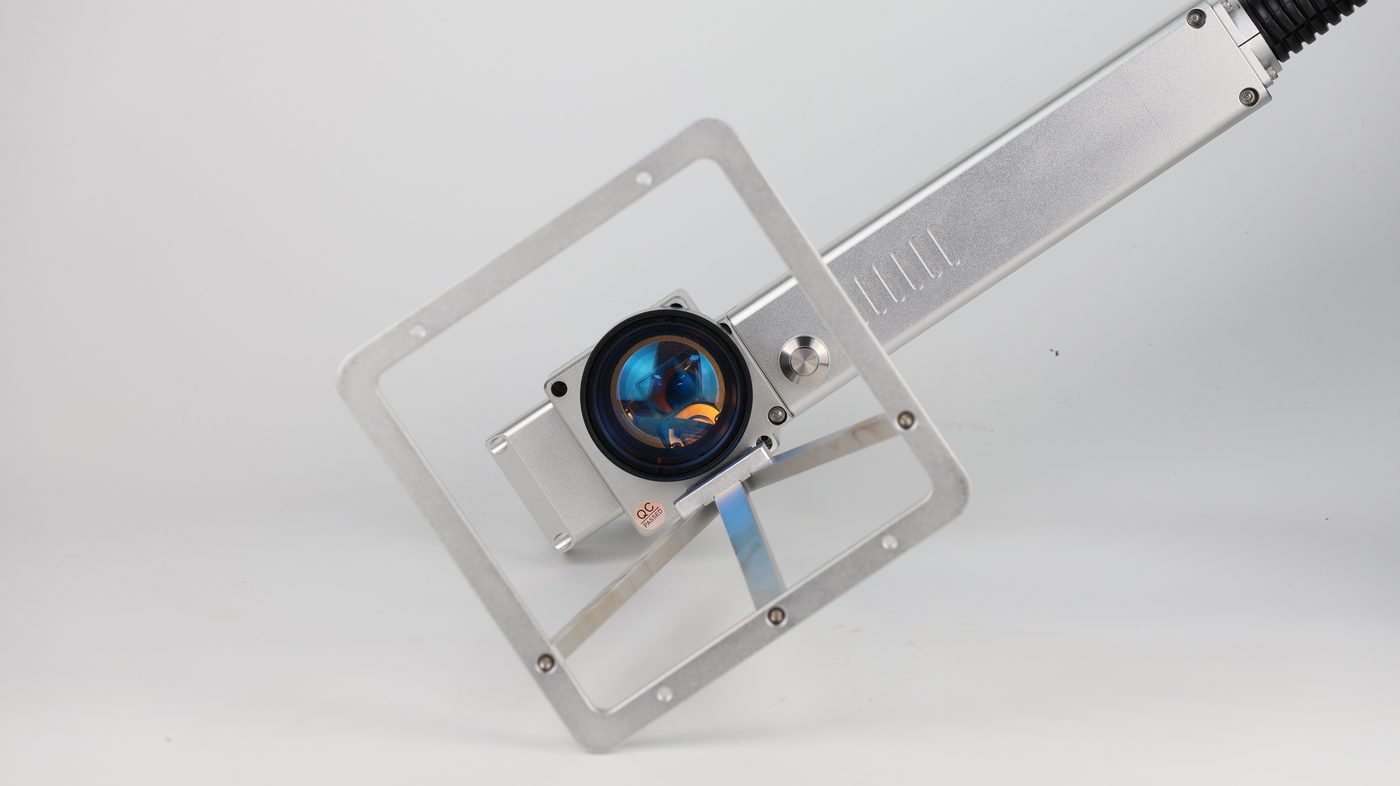
Laser marking used to mean putting a part number or logo on a product. In many industries it now means serialization, date codes, batch tracking, and machine-readable data that feeds into a factory's quality system. This is driven by regulatory traceability in medical devices, aerospace components, automotive safety parts, and electronics.
Fiber markers handle metal marking well. CO2 markers are suited to organic materials and some plastics. UV markers produce high-contrast marks on sensitive materials with minimal heat. The choice depends on the substrate, required contrast, cycle time, and whether the mark needs to survive abrasion, chemicals, or sterilization.
5. What This Means If You Are Evaluating Laser Equipment
The technology trend is favorable: machines are more efficient, more compact, and available in more configurations than five years ago. That does not automatically make laser the right process for your operation.
Before requesting a quotation, define the problem in production terms:
- The part. Material grade, thickness range, joint type or feature geometry, tolerances, and monthly volume.
- The standard. What the finished part must pass: visual criteria, penetration, distortion limits, adhesion, readability, or a customer-specific specification.
- The environment. Workshop power supply, floor space, existing fixtures, operator skill, and safety infrastructure.
- The total cost. Not just the machine price, but consumables, assist gas, extraction, spare parts, training, and the cost of downtime during learning.
- The evidence. A sample test on your part, parameter record, safety documentation, and a spare-parts list from the supplier.
6. Common Mistakes We See
Manufacturers lose money on laser equipment for predictable reasons:
- Buying power the application does not need, then paying for it in safety requirements and utility upgrades.
- Skipping a fit-up review, then discovering the process cannot handle real part variation.
- Treating laser safety as an afterthought. A Class 4 laser requires controlled access, eyewear specification, interlocks, and fume management. These are line items, not extras.
- Comparing machines by headline wattage rather than delivered configuration: source model, optics, cooling, wire feed, software, and support.
- Assuming the supplier's demo parameters will transfer directly to a dirty, variable, real production part.
If you are evaluating laser processing for a specific part, send the material, drawing or sample photos, and quality requirement to inquiry@laser-industry.com. We will tell you whether the process fits, what configuration it requires, and what evidence you should expect before placing an order.
7. Frequently Asked Questions
Is fiber laser always better than CO2?
For most metal cutting, yes, because fiber wavelength is absorbed more efficiently by metals. For non-metals, thick acrylics, wood, and some finishing applications, CO2 remains the better wavelength. The material decides.
Can a handheld laser welder replace my TIG welders?
For suitable stainless and sheet-metal joints, often yes, with higher speed and less heat input. For thick structural parts, dirty repair work, highly reflective alloys, or joints with poor access, TIG may remain the right process. Test both on the same joint before deciding.
Is laser cleaning safer than sandblasting?
It removes dust, spent media, and chemical disposal from the process, but it introduces Class 4 laser safety requirements and fume extraction for vaporized contaminants. Different hazard profile, not hazard-free.
What information should I prepare before contacting a laser equipment supplier?
Material grade, thickness, joint or feature geometry, tolerances, monthly volume, target cycle time, quality standard, workshop power supply, and any photos or drawings of the part. This shortens the quotation process and produces a more accurate configuration.