Is laser rust removal worth it?
It is worth it for high-value parts, media-sensitive geometry, repeatability requirements, or expensive waste handling; blasting can remain cheaper for heavy scale on large steel.

Pulse laser cleaning is a surface-treatment process that uses high-peak-energy laser pulses to remove rust, oxide, paint, coatings, and contamination from a substrate.
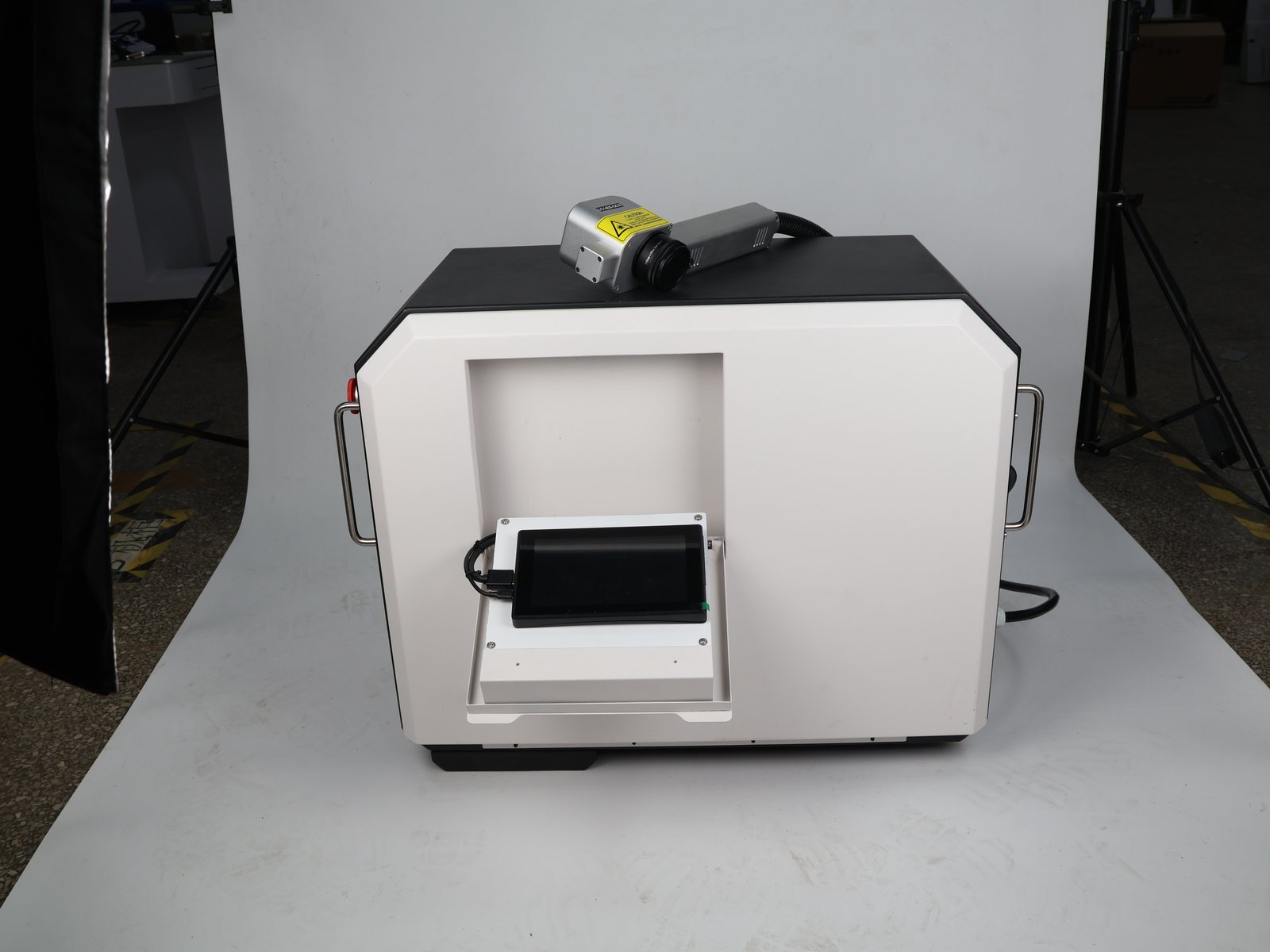
The pulsed beam deposits energy into the contaminant faster than it can conduct into the base material, causing the layer to ablate or lift while leaving the substrate largely intact when parameters are validated. It is used before welding, bonding, coating, and inspection, and for mold, tool, and maintenance cleaning. The process requires fume extraction, laser-safety controls, and reflection management.
| Specification field | Why it matters |
|---|---|
| Contaminant and substrate | Rust, oxide, paint, coating, oil, and scale behave differently |
| Removal area | Defines scan pattern, fixture, and containment requirements |
| Area rate | Request a tested rate at the actual contaminant thickness |
| Number of passes | Affects cycle time, heat input, and substrate finish |
| Required finish | Visual cleanliness, profile, or downstream adhesion criteria |
| Extraction | Fume flow, filtration, ducting, and residue handling |
| Equipment format | Backpack, trolley, handheld, or cabinet format by duty and mobility |
| Safety controls | Laser class, eyewear, controlled area, and reflection assessment |
It is worth it for high-value parts, media-sensitive geometry, repeatability requirements, or expensive waste handling; blasting can remain cheaper for heavy scale on large steel.
A validated parameter set preserves the substrate; overpowered settings or repeated passes can alter sensitive surfaces, so an acceptance test is required.
Last updated 2026-09-20. This glossary is commercial technical information, not legal or regulatory advice.