Should I use nitrogen or oxygen for laser cutting?
Oxygen is common for thick mild steel; nitrogen is used for stainless, aluminum, and clean-edge work. Test both against your edge-quality and cost targets.

Assist gas is the gas delivered through the cutting nozzle to eject molten material and shape the cut edge during laser cutting.
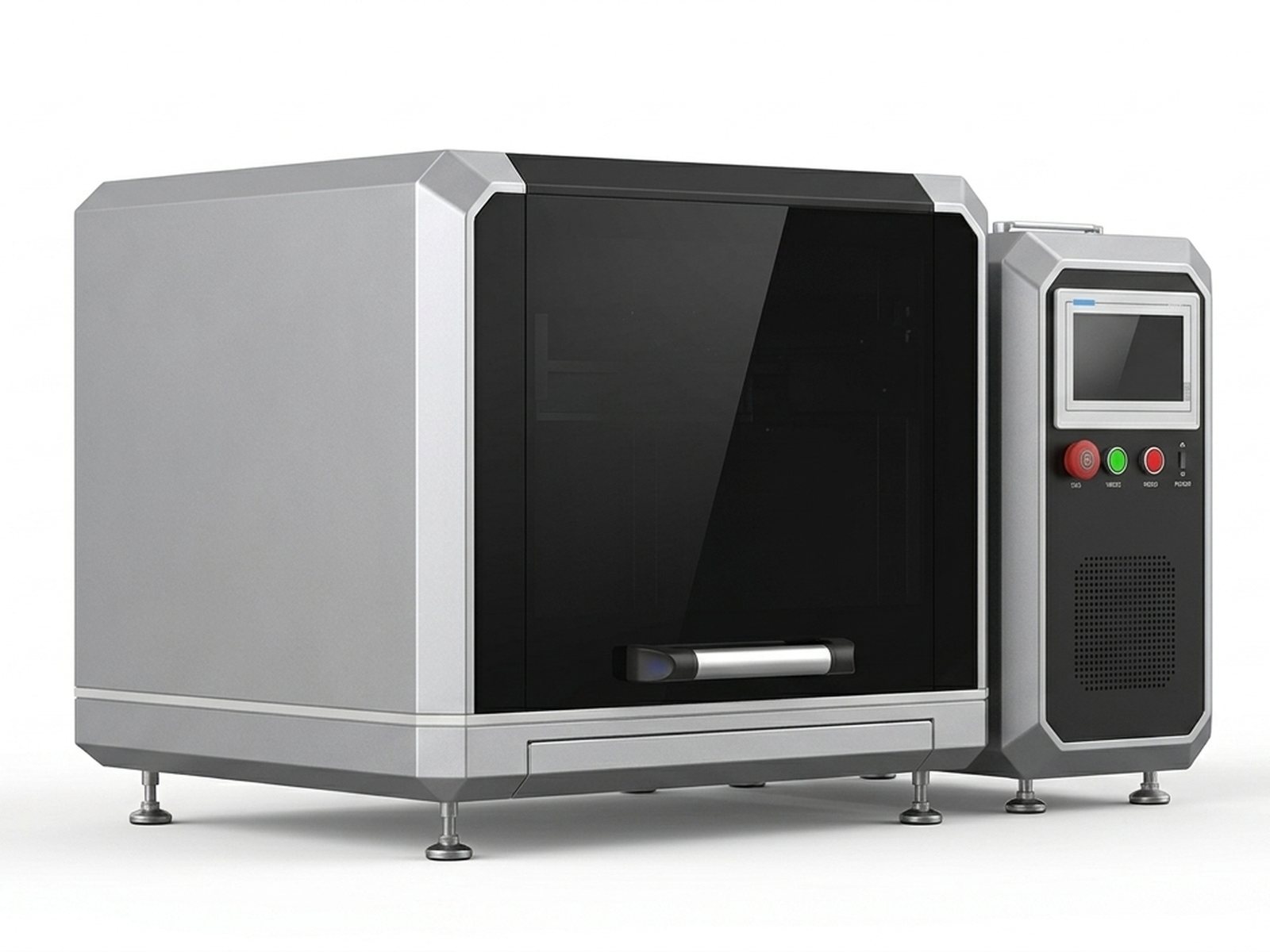
Oxygen supports combustion and is often used for thick mild steel but can leave an oxide edge. Nitrogen suppresses oxidation and is used for stainless steel, aluminum, and clean-edge requirements. Compressed air can be economical for some thin and noncritical work but requires dry, oil-free air. Gas choice affects edge quality, speed, dross, and operating cost.
| Specification field | Why it matters |
|---|---|
| Material and thickness | Steel, stainless, aluminum, and copper respond differently |
| Nozzle diameter | Sets gas velocity, flow demand, and cut geometry |
| Gas pressure | Piercing and cutting pressure may require different settings |
| Purity | Nitrogen purity changes edge color and oxidation |
| Flow | Must be calculated at the nozzle, not only at the supply |
| Edge-quality criteria | Dross, roughness, squareness, and oxide requirements |
| Supply method | Cylinders, liquid supply, or on-site generation |
| Operating cost | Gas, delivery, handling, compressor, and maintenance cost |
Oxygen is common for thick mild steel; nitrogen is used for stainless, aluminum, and clean-edge work. Test both against your edge-quality and cost targets.
Yes, if simultaneous flow, pressure, piping losses, and buffer storage are calculated together.
Last updated 2026-09-20. This glossary is commercial technical information, not legal or regulatory advice.